Elfrieda Von Riesen’s death
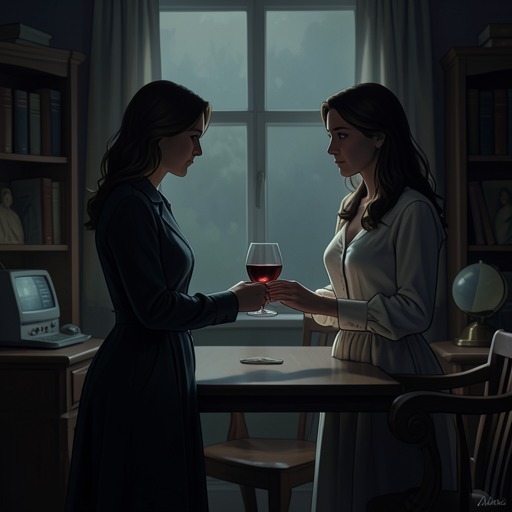
All My Puny SorrowsElfrieda Von Riesen’s death comes just as Yolandi is trying to arrange a different ending for her sister: she tells Elfrieda she expects to have the money to take her to Zurich. Instead, Elfrieda receives a day pass from the psychiatric ward for her birthday, goes home with Nic, and dies by suicide after he leaves to collect books she has requested. The death joins private despair to family history, and the decisions that follow—who sees her, where her ashes are buried, and how blame is understood—become part of the family’s continuing grief.
Background and the interrupted plan
The death occurs amid an already painful stretch for the family. Tina has died after what initially appeared to be a successful operation. Yolandi and her mother are preparing to travel to Vancouver for Tina’s funeral, and Yolandi asks Nic, who is in Spain, to return sooner so Elfrieda will not be alone. The family is dealing with one loss when the possibility of another becomes immediate.
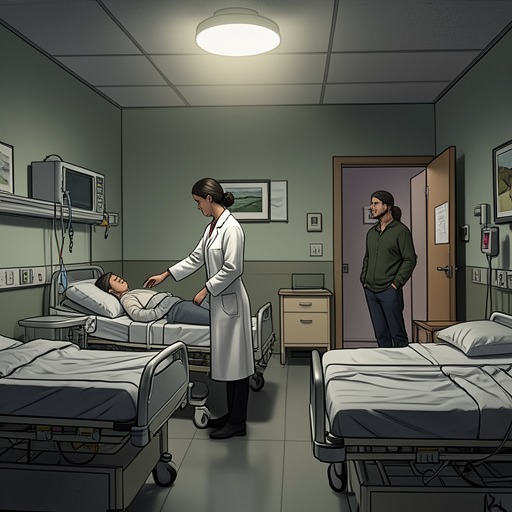
Yolandi has been focused on raising money to take Elfrieda to Zurich for assisted death. She tells Elfrieda by phone that she expects soon to have the funds, including through credit cards. The next morning, however, Lottie reports that the hospital is allowing Elfrieda to leave for a day to celebrate her birthday. Nic is on his way to collect her, and Lottie plans a cake, champagne, and flowers. Her emphatic confidence in this homecoming contrasts with Yolandi’s fixation on keeping Elfrieda in hospital until the Zurich plan can be carried out. Yolandi realizes that the day pass has changed the situation, although she has not yet understood what will follow.
The day pass and Elfrieda’s disappearance
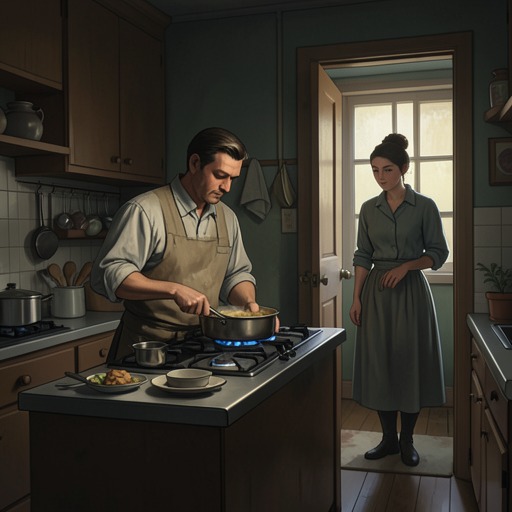
Nic later recounts the day to the family in the living room. He picked Elfrieda up from the hospital, and they went home together. She asked him to go to the library for her; he suggested that they eat lunch first, and she agreed. Nic remembers the meal as ordinary and companionable, a return, briefly, to sitting across from each other as they had in the past.
The books Elfrieda wanted were connected to that past. She had asked for books she remembered as changing her life or making her feel alive, including works by D. H. Lawrence, Shelley, and Wordsworth. Nic went to the nearby library expecting to be away for only about twenty minutes. When he returned, the house was empty. The books remained stacked beside the computer table. As Nic explains what happened, Will comes out of the bathroom after crying alone; Nora and Will sit close to Lottie, their grandmother. The family looks briefly at the books and then away. Their presence makes the ordinary errand and the interrupted lunch newly painful: a small effort to bring back what had sustained Elfrieda cannot reach her in time.
The hospital calls Yolandi several times while she is booking a flight to Winnipeg and trying to reach her mother. An executive director asks whether she has received the news, expresses sympathy, and offers to explain what happened. Yolandi says she already knows and ends the call, occupied with travel arrangements and her unsuccessful attempts to contact Lottie. The exchange conveys how abruptly practical tasks take over: the family must move toward the news before Yolandi is ready to hear an institutional account of it.
Recognition, memory, and family history
After Elfrieda’s death, Lottie insists on seeing her daughter before cremation. The funeral director suggests limiting the viewing to Elfrieda’s hand, but Lottie refuses and asks to see her face. Nic and Yolandi walk with their mother into the otherwise empty funeral-home sanctuary, staying linked closely at her sides. Yolandi first meets the sight through a remembered childhood scene: as a teenager, Elfrieda had mocked the way their father set the dining table. The memory of her irreverent voice returns at the moment of viewing, making the dead sister present not as an abstract loss but as the lively, sharp-tongued person Yolandi knew.
That memory also collides with a history of family suicide. Yolandi recognizes that Elfrieda died by train, as their father had. She wonders where violence goes if it is not passed back into the family’s blood and bones. Yet her response to the viewing changes: after hoping briefly that Elfrieda might stir, she feels gratitude toward the funeral director for trying to restore her appearance for Lottie’s final look. Grief here moves through opposing impulses—protest, disbelief, and appreciation—without resolving into a single account of what the death means.
Burial, blame, and the afterlife of the decision
The family’s later disagreement over Elfrieda’s ashes carries her wishes into the decisions survivors must make. Yolandi had wanted to keep some ashes in Toronto, but Nic objects to dividing them. Lottie proposes burial with the family’s father in East Village; the cemetery can accommodate three urns, an arrangement that anticipates Lottie’s eventual place there as well. Nic refuses because Elfrieda had expressly said she did not want to be buried in East Village. Her ashes are instead buried beneath a large tree in Elmwood Cemetery in Winnipeg. A suggestion that they be buried in Nic’s backyard briefly turns into dark humor, then meets the practical obstacle of legal restrictions.
The burial does not settle Yolandi’s sense of responsibility. Nic tells her she did everything she could and that no one is to blame, and she tells him that he also did everything possible. But she continues to imagine the alternative: in Zurich, she thinks, Elfrieda would have died peacefully and not alone. The thought preserves the difference between what Yolandi had wanted to arrange and what happened, even as the family does not discuss it further.
Later, a friend argues that suicide is sinful because of the suffering left to survivors and the duties people inherit toward those who love them. Yolandi challenges the friend’s judgment by asking whether people who cause suffering through their continued actions are also to be condemned, and asks her to stop using a repeated euphemism for suicide. The exchange shows that Elfrieda’s death is not contained by the family’s private mourning: it also exposes the strain between moral certainty about suicide and the complicated obligations, pain, and helplessness surrounding it. Its aftermath remains unresolved in the gap between Yolandi’s belief that she failed Elfrieda and Nic’s insistence that she did all she could.